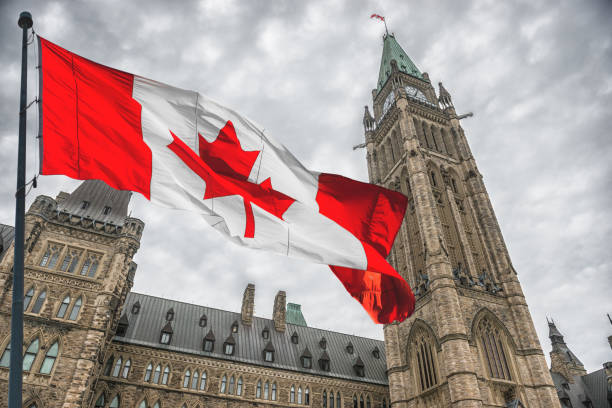
The announcement by Justin Trudeau of his intention to resign as Prime Minister of Canada has sent shockwaves through the political and economic spheres of the nation, with particular implications for Ontario's real estate market. This unexpected political shift follows mounting pressure within the Liberal Party, notably after the resignation of Chrystia Freeland from her roles as Deputy Prime Minister and Finance Minister, which was seen by many as a vote of no confidence in Trudeau's leadership.
Trudeau's tenure as Prime Minister, which began in 2015, was marked by a variety of housing policies aimed at addressing Canada's ongoing housing crisis. Initiatives like the Housing Accelerator Fund and changes to mortgage rules were part of his government's strategy to improve housing affordability and increase supply. His approach included tax incentives for first-time homebuyers and efforts to curb foreign investment in residential real estate, which had been inflating prices, particularly in markets like Toronto.
The resignation has introduced a new level of uncertainty into the real estate market. Prior to his announcement, the market was already navigating through economic headwinds such as inflation, rising interest rates, and a global economic slowdown. Trudeau's departure leaves a void in policy direction at a critical time. The market had become accustomed to his administration's policies on housing, which were both supportive of homeowners and aimed at increasing housing stock.
One immediate impact is the potential fluctuation in investor confidence. Trudeau's administration maintained relatively low interest rates, which encouraged both domestic and international investment in real estate. With his resignation, there's speculation about whether the new leadership will continue these policies or pivot towards different economic priorities. This uncertainty could lead to a cautious approach from investors, potentially slowing down real estate transactions or altering investment patterns, especially in high-stakes areas like Toronto's housing market.

Affordability in Ontario, particularly in the Greater Toronto Area (GTA), has been a contentious issue under Trudeau's watch. Home prices soared, making homeownership increasingly out of reach for many young Canadians. Policies like increasing the mortgage insurability cap and expanding access to 30-year amortizations were attempts to alleviate some pressures, but the effectiveness of these measures remains debated. The departure of Trudeau might lead to a reevaluation of these policies. If his successor adopts a different stance on housing, we might see shifts in how housing is financed, regulated, or incentivized, which could either exacerbate or alleviate the affordability crisis.
Another dimension to consider is the global economic context, particularly the looming threat of U.S. tariffs under Donald Trump's administration. Trudeau's handling of international relations, including trade negotiations, has been critical for Canada's economic stability. His resignation could influence investor sentiment, especially if there's apprehension about how his successor will navigate these international waters, which directly impact real estate investment and trade.
Furthermore, the prorogation of Parliament until March 24, 2025, following Trudeau's announcement, means that any immediate legislative action on housing policy is on hold. This delay could lead to a temporary stagnation or a more measured approach in the real estate market as stakeholders await clarity on future government policies.
The dynamics within the Liberal Party and the upcoming leadership race also play a role. Potential successors like Mark Carney or Chrystia Freeland, each with different economic philosophies, could steer housing policy in varied directions. For instance, Mark Carney, with his background in economics and finance, might focus on data-driven policies aimed at stabilizing the market, while Freeland, having been critical of some of Trudeau's fiscal decisions, might push for more conservative spending approaches affecting housing investments and subsidies.
Overall, the resignation of Justin Trudeau has set in motion a series of speculative scenarios for Ontario's real estate market. The interplay of local market conditions with new federal leadership's economic policies will be key in determining future trends in housing prices, investment, and accessibility for Ontarians. However, the immediate aftermath of this political change introduces more questions than answers, as the market adapts to the new political reality.
