



Photo: Canadian Mortgage Professional
If you only read one thing about the GTA housing market today, make it this: Toronto has gone from the strongest housing market on the planet to the weakest, and the data behind that fall is worth sitting with.
UBS puts out a global real estate bubble index every year, tracking 23 major cities. In the 2026 edition, Toronto and Vancouver landed at the very bottom. Adjusted for inflation, home prices in both cities fell about 10% over the past year, the steepest drop of any city in the study, while prices across the rest of the sample actually rose half a percent. Toronto now sits nearly 30% below its peak. Stop and think about that for a second, because as recently as 2022, UBS ranked Toronto the strongest market in its entire study, a stretch from 2014 to 2022 when real prices here doubled. (Canadian Mortgage Professional)
What caused the reversal? UBS points to three things: higher interest rates, the federal foreign-buyer ban, and increased supply. That second one is about to get interesting, because the ban is set to expire on January 1, 2027, and nobody in Ottawa has said yet whether it gets extended or scrapped. Dominion Lending Centres chief economist Sherry Cooper told CMP she favours letting it lapse:
"Look at the Americans that would be very interested in having a second property in Canada, particularly given how they feel about what's going on in the US. Why shouldn't those people be able to buy a property in Toronto that's been listed on the market for 18 months?"
— Sherry Cooper, chief economist, Dominion Lending Centres
Fair question, and one worth watching into the new year.
Meanwhile, the day-to-day reality of selling in the GTA keeps getting slower. New numbers from Wahi show homes across the region now taking three to four times as long to sell as they did at the Q1 2022 peak. Condos are wearing it worst: 36 days on market on average in the second quarter of this year, up from about 32 a year earlier. At the height of the frenzy, the same units were gone in under two weeks. Wahi economist Ryan McLaughlin doesn't mince words about what's changed:
"Back in 2022, the average condo was getting snapped up in well under two weeks. However, since then, there has been a mass exodus of investors, federal reductions in immigration targets, and an ongoing trade war. The upshot is inventory levels remain near historic highs, giving condo buyers lots of room to negotiate pricing and conditions."
— Ryan McLaughlin, economist, Wahi
(Canadian Mortgage Professional)
It's not all condos, though. Detached homes drifted from about 23 to 25 days on market over the past year, semis from 18 to 20. Townhouses barely moved at all, up a single day to around 24, which McLaughlin chalks up to their sweet spot in the market:
"As a preferred option for downsizers as well as first-time buyers, who may not be able to afford a detached home but don't want a condo, there appears to be a higher base level of demand for townhouses in the current market."
— Ryan McLaughlin, economist, Wahi
At a median $900,424 across the GTA versus $1,199,221 for detached, you can see the appeal.
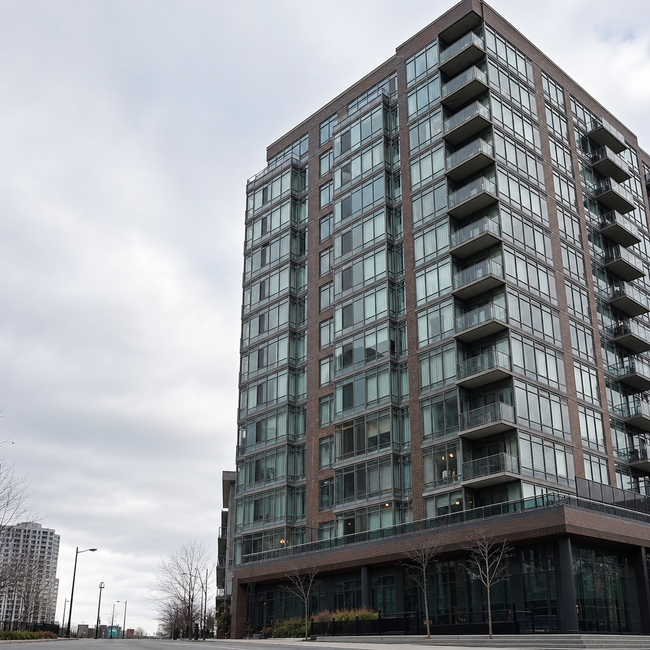
Photo: GTA Real Estate Today
And here's the part that should make buyers pay attention: all this weakness has quietly produced the best affordability Toronto has seen in years. RBC Economics reports the national affordability measure barely budged in the second quarter, up just 0.4 percentage points, the smallest improvement in nearly a year. But Toronto was the outlier, posting the largest improvement of any major city, with condos reaching their most affordable level since 2017. The catch, according to RBC, is that upward pressure on long-term rates and expected Bank of Canada hikes in 2027 could start reversing those gains. In other words, the window is open now, and it may not stay open. (GTA Real Estate Today)
Put it together and the picture is genuinely strange: the weakest major housing market in the world, homes sitting months instead of days, and yet the most buyer-friendly affordability in nearly a decade. UBS even flags the twist coming next. Buried in the CMHC's fall housing supply report: Toronto would need to lift annual housing starts by at least 50% for a decade to get back to 2019 affordability, and in the first half of this year just 156 condo units were started in the city, against a decade average of 7,000 a year. Sooner or later the supply pipeline runs dry, and when it does, today's negotiating power evaporates with it.
That's the market as it stands on the last day of September: soft prices, patient sellers, real room to negotiate, and a clock ticking in the background. We'll be back tomorrow evening with the next round of headlines.
Compiled by the HomesFound team from the reporting linked above.
