


As the ice melts on Ontario’s lakes and the spring sun warms the shores, May 2025 marks the start of the peak cottage-buying season in the province’s cherished recreational regions. From the iconic lakes of Muskoka to the serene waters of Kawartha Lakes and Haliburton, Ontario’s cottage market is a complex tapestry of opportunity, caution, and transformation. After years of pandemic-driven frenzy, economic turbulence, and shifting buyer sentiment, the cottage market in May 2025 is poised at a pivotal moment. Prices are influenced by a confluence of factors—interest rate expectations, inventory surges, regional disparities, and broader economic uncertainties. This article explores the nuanced dynamics shaping cottage prices in Ontario this spring, offering insights for buyers, sellers, and observers alike.
Key Drivers of Cottage Prices in May 2025
Several factors are shaping the cottage market this spring:
- Interest Rates and Affordability: The Bank of Canada began cutting rates in June 2024, and further reductions are expected by mid-2025, potentially bringing mortgage rates below 5%. Lower rates could boost affordability, encouraging buyers who have been sidelined by high borrowing costs. However, affordability remains a challenge, with Ontario’s average home price at $848,289 in February 2025, down 2.9% year-over-year but still out of reach for many.
- Inventory Surge: The dramatic rise in listings—20% more waterfront properties in January 2025 compared to April 2022—has shifted the market toward buyers. Properties are staying on the market longer, with average days on market doubling to 29 in some regions. This oversupply, particularly for cottages under $3 million, is exerting downward pressure on prices, though prime waterfront properties remain competitive.
- Economic Uncertainty: Looming U.S. tariffs and potential Canadian retaliatory measures could increase inflation and erode consumer confidence. A Scotiabank Economics report suggests that retaliatory tariffs could lead to a 3% interest rate hike, further dampening demand. This uncertainty may keep some buyers on the sidelines in May 2025, particularly in higher-priced segments.
- Lifestyle Shifts: The pandemic-era trend of cottages as year-round escapes persists, with remote work and hybrid arrangements supporting demand.
A Market in Transition
The Ontario cottage market has been on a rollercoaster ride since the pandemic ignited a buying spree in 2020 and 2021. Urban dwellers, fueled by remote work flexibility and a hunger for nature, drove prices to unprecedented heights. In 2021, Royal LePage reported a staggering 34.6% year-over-year price surge for recreational properties in Ontario. However, the subsequent years brought a correction, with high interest rates, inflation, and a return to office mandates cooling demand. By 2023, waterfront property prices had softened by 8.2%, dropping from a median of $1,017,000 to $934,000.
As of May 2025, the market is showing signs of stabilization but remains firmly in buyer’s territory. A significant increase in inventory—active listings reached 49,284 units province-wide in February 2025, up 39% from the previous year—has given buyers more choice and negotiating power. Yet, experts predict a cautious rebound in prices, with projections suggesting a 3-5% year-over-year increase for cottage prices in 2025, driven by anticipated interest rate cuts and pent-up demand. The question is whether this rebound will materialize evenly across regions or be disrupted by economic headwinds, including potential U.S. tariffs and inflationary pressures.
Regional Variations: Where Prices Are Headed
Ontario’s cottage country is not a monolith, and price trends in May 2025 reflect stark regional differences:

Muskoka (Gravenhurst, Bracebridge, Huntsville)
Often dubbed the “crown jewel” of Ontario’s cottage country, Muskoka remains a premium market. Entry-level cottages ($500,000-$700,000) are expected to see a modest 4% price increase by August 2025, while luxury properties ($1.5M+) could climb higher as affluent buyers return. However, the region has seen a 10.4% year-over-year price drop as of June 2024, with increased inventory (up 15-20%) creating opportunities for buyers, particularly for properties under $2 million. In May 2025, Muskoka’s market is likely to favor buyers, but competition for prime waterfront lots on lakes like Muskoka, Rosseau, and Joseph could push prices upward.

Kawartha Lakes (Fenelon Falls, Bobcaygeon)
Known for affordability, Kawartha Lakes offers cottages in the $450,000-$600,000 range, appealing to first-time buyers and retirees. A projected 2-3% price increase in 2025 reflects steady but tempered demand. The region experienced a significant 25% price drop for waterfront properties in 2023, making it a buyer’s market. In May 2025, early buyers may find deals, particularly on smaller lakes, before seasonal demand peaks in July.

Georgian Bay (Parry Sound, Midland, Penetanguishene)
Simcoe County is an outlier, with prices expected to remain stable due to high interest rates and limited listings. In contrast, areas like Southeast Georgian Bay, Honey Harbour, and Port Severn saw dramatic price declines (28.7% year-over-year in Q1 2024), bringing average prices to $906,967. Buyers in May 2025 may find bargains in these areas, but low inventory on desirable lakes could spark bidding wars.

Haliburton Highlands (Haliburton, Minden)
A haven for budget-conscious buyers, Haliburton’s waterfront properties are priced between $400,000 and $550,000, with a forecasted 3% rise in 2025. The region has seen slight sales growth (5% projected by year-end 2024), and its affordability continues to attract families and young professionals. May 2025 could be an ideal time to secure a property here, as inventory remains high and competition is less intense than in Muskoka.
Prince Edward County (Picton, Wellington)
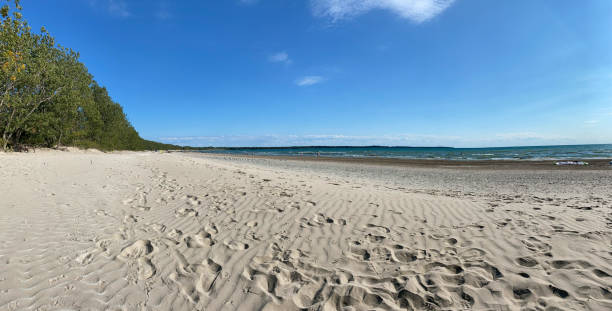
Emerging areas like Prince Edward County ($550,000-$800,000) and Tobermory ($700,000-$1M) are holding value, with stable prices and slight negotiating room. Meanwhile, Rideau Lakes and Grand Bend offer affordable options, with prices down 8% in Grand Bend to $839,476 in Q1 2024.
:format(webp):quality(80)/u.realgeeks.media/homesfound/homesfound-cannect.png)