
In the heart of Ontario, the tranquil town of Caledon has become the battleground for a David vs. Goliath legal skirmish, with local residents, under the banner of Democracy Caledon, challenging the town's ambitious plan to convert 5,000 acres of prime farmland into a sprawling residential project. This isn't just about land; it's a narrative of community, agriculture, and the future of one of Canada's greenest towns.
Caledon's council, led by Mayor Annette Groves, threw down the gauntlet with a proposal to "pre-zone" this vast tract for 35,000 new homes. This decision, supporters argue, is a strategic move to tackle Ontario's housing crunch head-on, aligning with the province's aggressive housing targets. However, the process has been anything but smooth, marked by what critics describe as a rush to judgment, sidelining critical environmental studies, fiscal impact assessments, and public dialogue.
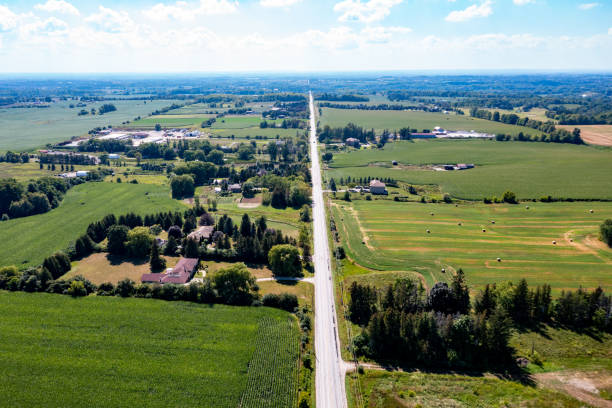
Democracy Caledon, spearheaded by its president, Debbe Crandall, has taken this fight to the courtroom, arguing that the rezoning not only breaches the town's own land use plans but also flouts the Municipal Act. The lawsuit paints a picture of a community at risk of losing its agricultural heritage and ecological balance for the sake of unchecked urban sprawl. Crandall passionately defends the land, highlighting its role in food security, climate resilience, and as a counterbalance to urban expansion.
The debate in Caledon is emblematic of a broader Canadian conversation: how do we balance the urgent need for housing with the preservation of our natural landscapes and the democratic process? On one hand, there's the undeniable push for more homes to address affordability and population growth. On the other, there's the fight to maintain the rural charm and ecological richness that define places like Caledon.

In defense, the Town of Caledon maintains that all procedural boxes were checked, positioning the rezoning as a forward-thinking approach to a regional housing crisis. They argue for a vision where Caledon can grow while still holding onto its identity, though critics question whether this vision truly accounts for the long-term environmental and social costs.
This case isn't just about land use; it's about setting precedents. How will future conflicts between development and conservation be resolved? Will public voices have a louder say in shaping their communities, or will expedited, top-down decisions become the norm? The outcome could influence not only Caledon but how Ontario's towns navigate the delicate dance of growth and preservation.
As this legal drama unfolds, it invites Ontarians to ponder their own backyard's future. Should farmland bow to the pressure of housing demands, or can innovative solutions like densification and the revitalization of existing urban spaces lead the way? The Caledon case is a compelling saga of community spirit, environmental stewardship, and the quest for sustainable living in a rapidly changing world.
The story of Caledon is far from over, and its residents, through Democracy Caledon, are not just fighting for their town but for a model of growth that many Canadian communities might soon need to emulate or resist.
