Imagine this: You're at a dinner party in Toronto, and the conversation inevitably veers towards the city's real estate. Someone mentions paying $1.5 million for a "cozy" one-bedroom condo, and everyone nods as if this is the new normal. Welcome to the wild world of Toronto's housing market, where the only thing more cramped than the condos are the wallets of those trying to break into it.
The Shoebox Phenomenon
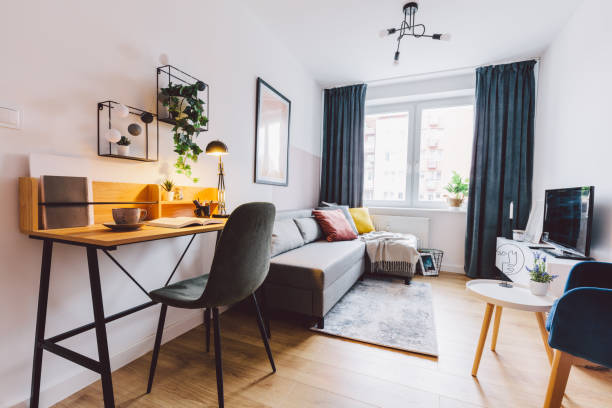
Toronto’s real estate has become infamous for its "shoebox" apartments, tiny spaces sold at astronomical prices. A recent viral TikTok by a local realtor showcased a studio so small, the kitchen could only accommodate a microwave and a bottle of dish soap. Yet, the price tag? A staggering $400,000. This scenario isn't just a one-off; it's becoming the norm, with posts on X highlighting the absurdity and sparking debates on affordability and urban living.
The Luxury Paradox
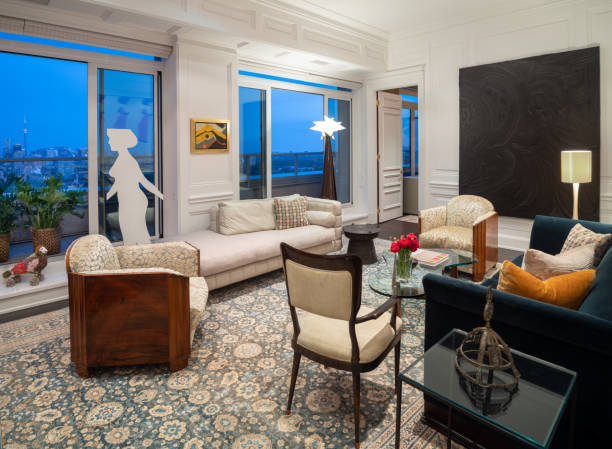

While many toil to afford these micro-living spaces, there's another side to Toronto's market: the sky palaces. Properties in exclusive neighborhoods like Yorkville or the Bridle Path command prices that dwarf those of entire neighborhoods in other cities. These homes, often featured in luxury listings, are not just houses; they're statements of wealth, with amenities like private elevators and rooftop gardens. However, the number of these sales has decreased, signaling a market in flux.
The Bidding Wars
The scarcity of housing has led to intense bidding wars, where properties can sell for hundreds of thousands over asking. A recent example cited by the Toronto Star involved a house receiving over 100 offers, pushing the sale price into the stratosphere. This phenomenon isn't just in the luxury segment; even modest homes in less trendy areas are seeing multiple bids, squeezing out first-time buyers.
The Investment Game
Toronto's market has become an investor's playground. A significant portion of condos is bought not to live in but as investment properties, often left vacant, which exacerbates the supply crunch. Recent analyses suggest that up to 40% of condos might be sitting empty, creating a bizarre situation where there's both a housing crisis and an oversupply of unsold units.
The Missing Middle

The city's skyline tells a tale of extremes—tall towers and low-rise homes, with little in between. This "missing middle" scenario has sparked debates on zoning laws, with experts arguing that allowing more medium-density housing like townhouses or multiplexes could alleviate some pressure. A viral photo on social media highlighted this disparity, showing Toronto's skyline as a stark contrast of high-rises and single-family homes, with little room for anything in between.
What's Next?
As interest rates fluctuate and the city grapples with its housing crisis, many are asking: what’s next for Toronto's real estate? Will the market cool down, or are we heading towards a bubble burst? Economists and real estate analysts predict a stabilization might be on the horizon as borrowing costs change, but the long-term affordability remains a significant concern.
Toronto's real estate saga is a microcosm of global urban challenges, where the dream of homeownership feels more like a distant fantasy for many. Whether you're looking to buy a shoebox in the sky or a mansion in the suburbs, one thing is clear: in this market, you'll need more than just money; you'll need luck, strategy, and perhaps a touch of insanity.
